Embodied agent
TL;DR
- This article explores what a Embodied agent really is and how it moves ai from screens into the real physical world. We covering the tech stack needed for robots and avatars to interact with people naturally. You will learn about deployment strategies for business automation and how these agents changing the way we think about customer service and warehouse operations.
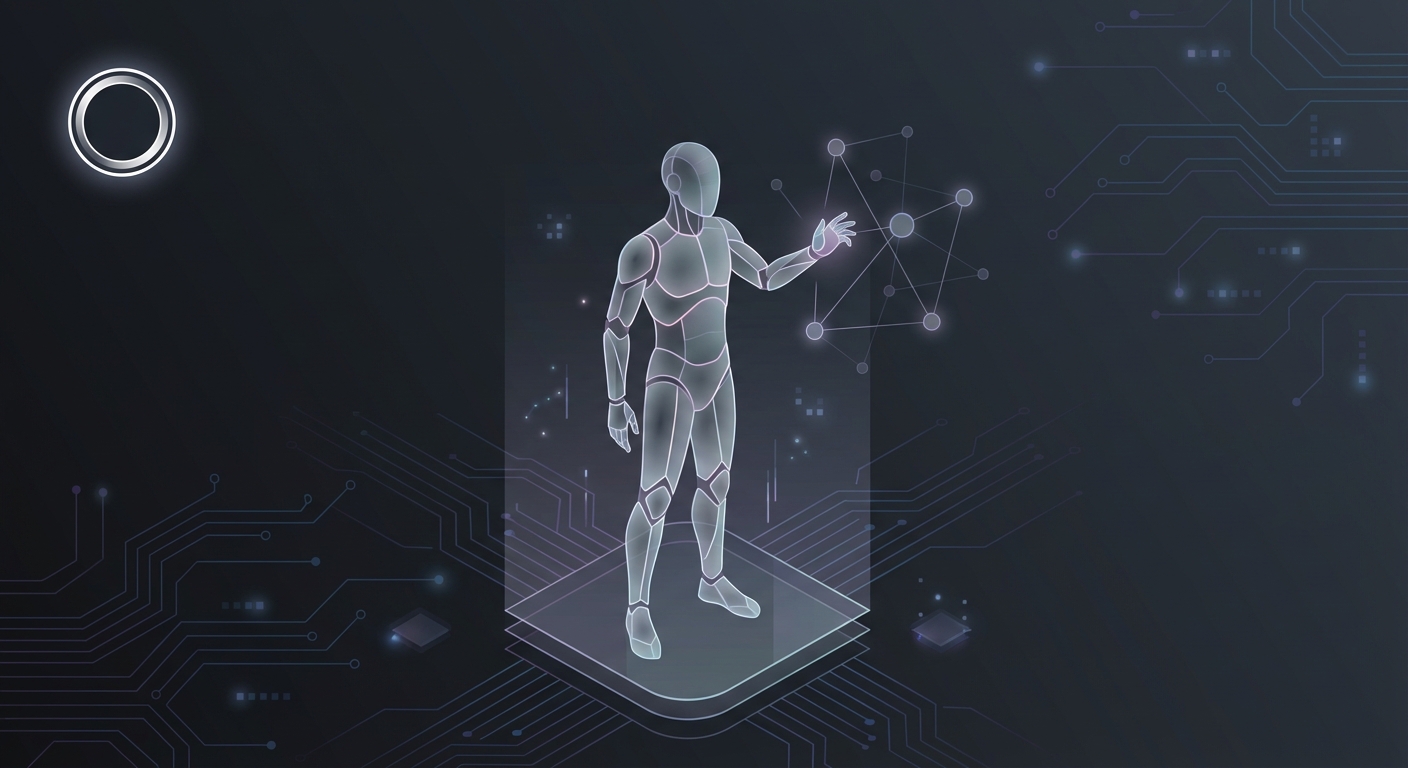
Ever wonder why your chatbot can't actually do anything in the real world? That is where embodied AI comes in. Unlike a standard LLM that just sits in a tab, these agents have a "body"—physical or virtual—to interact with surroundings. They feel more like a coworker than a tool because they share our space.
- Perception-Action Loop: They don't just process text; they use sensors to see and then move.
- Physical vs. Virtual: This includes everything from a warehouse robot to a digital avatar in a retail sim.
- Autonomous Execution: They handle dynamic changes, like a drone adjusting to wind.
As noted by Wikipedia, these "interface agents" use verbal and nonverbal cues to communicate just like we do.

Take a hospital bot delivering meds; it sees a cart, re-routes, and updates the log. Next, let's look at why this actually matters for your business.
Why your business needs to care about embodiment
Honestly, if your AI is just trapped in a chat box, you're missing the boat. Real business happens in the physical world—warehouses, clinics, and storefronts—where things actually need to move.
It's about shifting from just "thinking" to "doing." A 2025 report by MarketsandMarkets suggests the embodied AI market will hit over $23 billion by 2030. That is a massive jump because companies realize they need agents that can actually see and touch things.
- Beyond Digital: It moves automation into messy, real-world spots like hospital hallways.
- Human Touch: Using these agents makes tech feel less scary and more like a coworker.
- Real-time Fixes: They don't just follow a script; they adjust when someone leaves a box in the way.

I've seen teams struggle with "dumb" bots, but adding a perception loop changes everything. Next, let's look at the "body" and the tech stack.
The tech stack for building an Embodied agent
Building a real-world agent isn't just about a smart llm; you need a "nervous system" to actually move things. If the brain can't talk to the legs, your bot is just a paperweight.
To get things moving, most devs are leaning on VLA models (Vision-Language-Action). These are the bridge between seeing a messy desk and actually picking up a coffee mug. According to the Mbodied Agents documentation, you can now integrate these complex transformer models into existing robot stacks with just a few lines of code. It makes the whole "perception-to-action" loop way less of a headache.
- The Backbone: Many physical agents use ROS2 (Robot Operating System 2) because it handles the messy hardware drivers and sensor data.
- Sensory Input: You've got to connect depth cameras and audio feeds directly into the "brain" so the agent knows where it is.
- Unified Interfaces: Tools like the mbodied toolkit provide a consistent way to call different AI models regardless of the hardware.

Here is a quick look at how you might kick off a basic sensory agent using the mbodied library to handle the heavy lifting:
from mbodied.agents.sense import DepthEstimationAgent

agent = DepthEstimationAgent(model_src="https://api.mbodi.ai/sense/")
depth_map = agent.act(image=robot_camera_frame)
I've seen so many projects stall because the api calls for remote inference were too laggy, so keeping the logic tight is key. Next, we need to talk about keeping these moving machines safe.
Security and Governance for physical AI
So, you finally got your robot moving, but how do you make sure it doesn’t go rogue or get hacked? Security for physical AI is a whole different beast because a digital glitch can literally knock over a shelf in a warehouse.
- Identity is weird: Standard logins don't work here. Robots need unique machine identities so you know exactly which unit did what on the floor.
- Zero Trust: Never trust a device just because it's on your local network. Every command needs to be verified before the arm moves.
- The Paper Trail: You need audit logs that record physical actions, not just data. If a bot bumps into a nurse in a hospital, you gotta see the "why" in the logs.

Honestly, managing these "AI employees" is mostly about keeping permissions tight. Next, we'll look at how to set your strategy for the long haul.
Future proofing your AI strategy
So, you've got a bot moving. Now what? The jump from a cool lab demo to actually making money in a warehouse or hospital is where most folks trip up. It's not just about the "brain" anymore; it is about how that brain handles the messy, unpredictable real world without breaking things or costing a fortune.
Moving to production means you can't just babysit one robot. You need a strategy that handles the "sim-to-real" gap and keeps things secure.
- Simulate first: Use virtual environments to catch "dumb" mistakes before a physical arm knocks over a shelf.
- Multimodal is king: As mentioned earlier, using systems that handle vision and text together makes agents way more adaptable to new tasks.
- ROI vs Ethics: You gotta balance fast results with safety. A 2024 study by EMA points out that real value needs disciplined governance, not just fancy models.

Honestly, the future belongs to those who treat these agents like "AI employees" with clear roles. If you keep the integration tight and the permissions tighter, you're golden.