Overview of Connectionist Expert Systems

TL;DR
- This article covers how connectionist expert systems blend neural networks with rule-based logic to power modern ai agents. It explores the shift from old symbolic systems to flexible architectures that handles complex business automation. You'll learn about deploying these systems in enterprise workflows and making sure they stay secure and scalable for long term growth.
The Core Architecture of SAML Authentication
Ever tried logging into a work app and it just... works without asking for a password again? That's SAML doing the heavy lifting behind the scenes.
Think of SAML as a digital handshake between different servers so they can trust who you are. If you don't get these roles right, you're basically leaving the back door wide open for your data.
- The Handshake: SAML is basically a conversation where one server vouches for you to another one.
- Security Gaps: Knowing who is the "Issuer" (the one sending the proof) and who is the "Receiver" (the one accepting it) stops hackers from spoofing your identity.
- ai Integration: Modern apps use ai to spot weird login patterns, but it only works if your SAML roles are mapped out correctly. (SAML SSO login works good but Roles/Teams Mapping does not work)
In healthcare, a doctor uses one login to hit patient records and insurance portals safely. A 2024 report by Verizon shows that 68% of breaches involve a non-human element like stolen credentials or social engineering, proving why tight SAML setups are a must.

Now, let's look at the first big player: the Identity Provider.
The Identity Provider (IdP) - The Source of Truth
The Identity Provider—or IdP—is the real MVP of the whole SAML setup. It’s basically the "Source of Truth" and acts as the Issuer. It is the only place that actually knows who you are and keeps your password safe (hopefully).
Instead of every single app like Slack or Salesforce having a copy of your password, they just ask the IdP, "Hey, is this actually Dave from accounting?" The IdP checks its database, does the login dance, and then sends a digital "thumbs up" back to the app.
- Centralized Control: You manage users in one spot like Okta, Azure AD, or Google Workspace. When someone leaves the company, you kill their access in the IdP and they’re locked out of everything instantly.
- The Assertion: This is the secret sauce. Once you log in, the IdP generates a signed XML document (the assertion) that tells the Service Provider you're legit without ever sharing your actual password.
- Security Layers: Since the IdP is the front door, this is where you stack your MFA and ai-driven risk checks.
In retail, a manager might use one login to check inventory, payroll, and shipping. If the IdP sees a login from a new country, it can block it before the hacker even touches the sensitive stuff. According to a 2023 report by IBM, the average cost of a data breach reached $4.45 million, so having one solid place to guard credentials isn't just convenient—it's a financial lifesaver.

It’s a lot of power for one system to have. Next up, let's look at the other side of the coin: the Service Provider.
The Service Provider (SP) - Your SaaS Application
If the IdP is the source of truth, the Service Provider (SP) is the one asking for permission to let you in. It's the Receiver—the app you’re actually trying to use—like Jira, Slack, or a custom fintech portal—that doesn't want the headache of managing your password.
The SP doesn't know your password and frankly, it doesn't want it. Instead, it trusts a signed digital note (the SAML assertion) from the IdP. If that signature doesn't match, you're not getting in.
- The Request: When you hit a login page, the SP redirects you to the IdP. It’s basically saying, "I don't know this person, go talk to the boss."
- Validation: Once you're back with an assertion, the SP checks the XML signature. If it's legit, it creates a session for you.
- SSOJet Integration: For developers, building this from scratch is a nightmare. Tools like SSOJet—which is basically an authentication middleware that handles the heavy lifting—help bridge the gap so your app can talk to any IdP without you writing a thousand lines of custom code.
In the finance world, a trader might need access to a Bloomberg terminal and a private banking api. The SP ensures that even though these are different systems, they all trust the same central identity.
A 2023 report by Thales found that 55% of IT professionals see cloud app security as a top target for cyberattacks, which is why the SP's job of validating assertions is so critical.

It's a smooth flow when it works, but what happens when things go wrong? Next, we'll look at the actual user and how they fit into this mess.
The Principal - The Human Element
The Principal is just you—or your annoyed dev—trying to get work done without hitting a login wall every five minutes. While we talk about servers, the Principal is often represented by the User Agent (your web browser).
Think of the browser as the courier. The IdP doesn't send the SAML assertion directly to the SP in most cases. Instead, it hands the signed XML token to your browser, which then "carries" it over to the SP. If your browser isn't working right or blocks the redirect, the whole handshake falls apart.
- The Human element: users hate passwords. A smooth flow means less support tickets for startups.
- The Courier Role: As the User Agent, the Principal's browser is the one actually moving the data between the Issuer and the Receiver.
- Syncing data: directory sync keeps user info fresh across apps.
In a 2023 study by ForgeRock, enterprises saved millions by reducing password resets, showing why the Principal's experience matters.
Next, let's see how these roles work together.
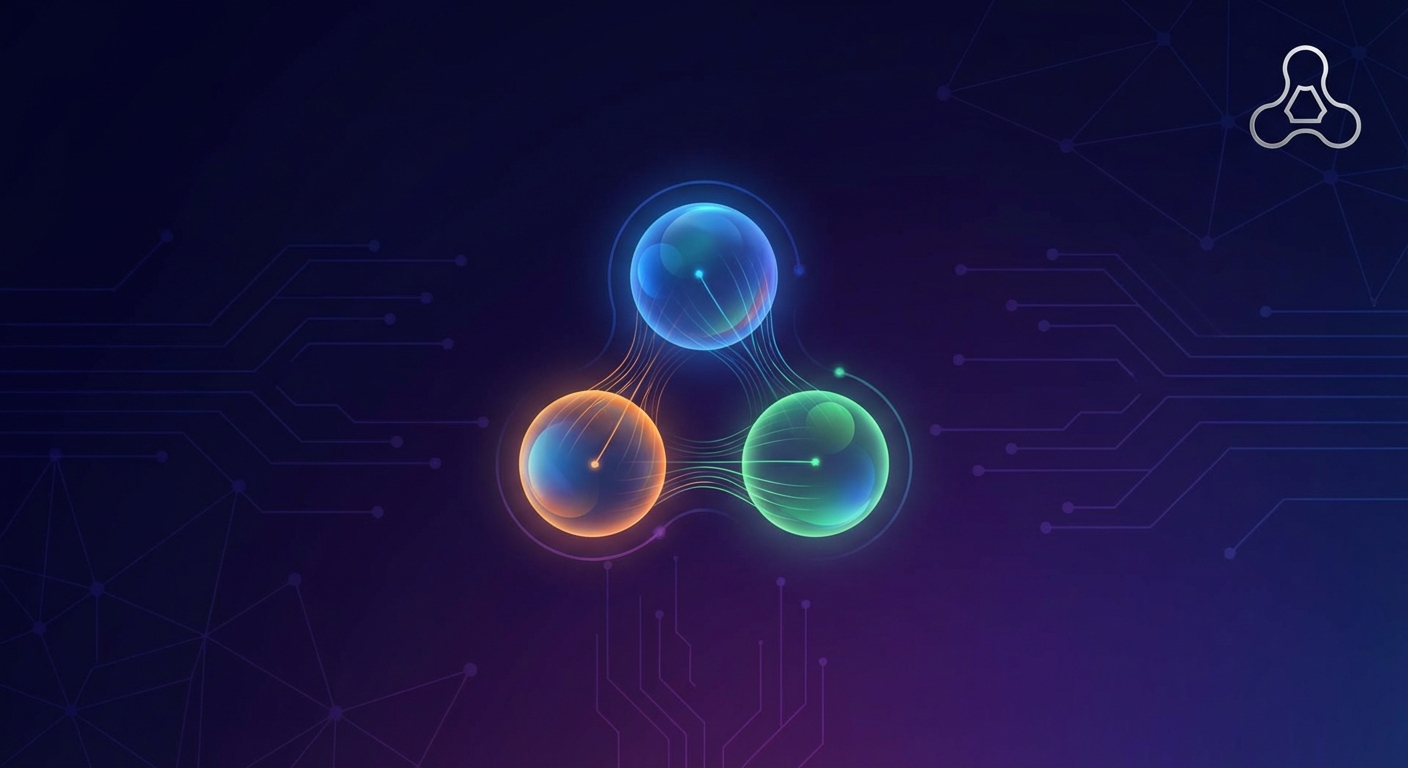
How these roles work together in Enterprise Software
So, we’ve seen the players, but how does this mess actually move in the real world? It’s basically a high-stakes game of "pass the note" where nobody trusts anyone without a digital signature.
When you hit that "Login with SSO" button, things move fast:
- The Request: You try to open an app (the SP). It realizes you aren't logged in and kicks you over to your IdP with a request.
- The Proof: You prove who you are to the IdP—maybe via a thumbprint or MFA.
- The Entry: The IdP hands your browser a signed SAML token. Your browser drops it off at the app, and boom, you're in.
It’s like airport security; the IdP is the agent checking your passport, and the SP is the gate agent who lets you on the plane because of that official stamp. Your browser is the person actually walking between the desks.

Honestly, most of us take this for granted until it breaks. But when it works, it keeps hackers out and saves everyone from password fatigue. According to thales, as mentioned earlier, securing these cloud gaps is the top priority for it teams right now. Keeping these three roles in sync isn't just a tech requirement—its the backbone of modern business security.